Exploring the Drawbacks of Building a Custom Home
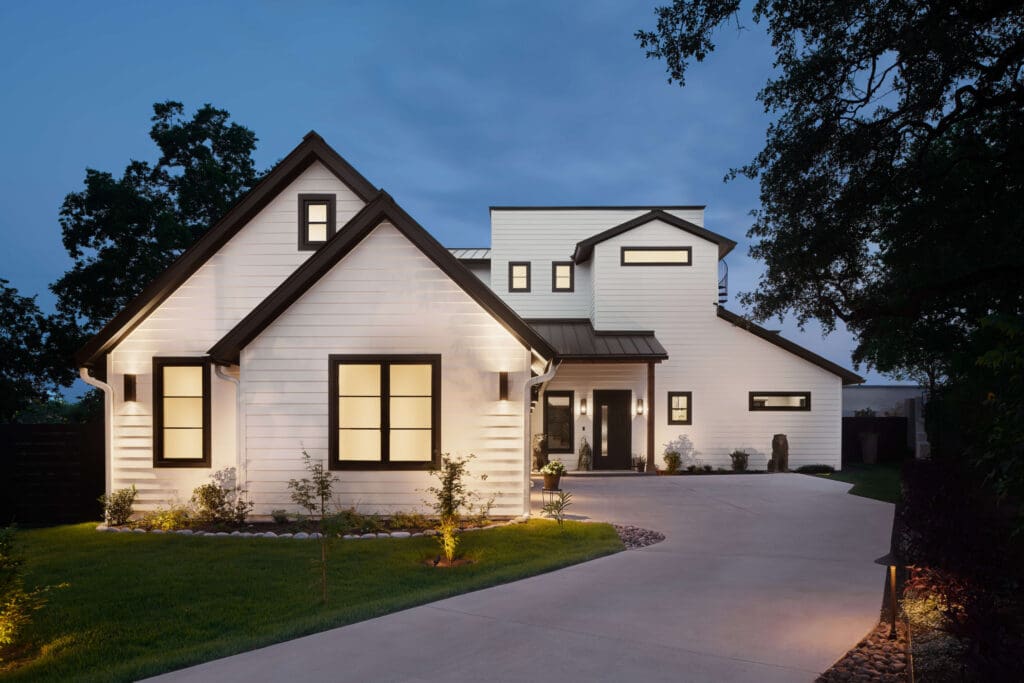
Building a custom home is an enticing endeavor that promises a living space perfectly tailored to your preferences and lifestyle. It’s a dream where you have the freedom to hand pick every detail, creating a residence that is a true reflection of your personality.However, amidst the excitement of bringing your vision to life, it’s vital to recognize that there are potential drawbacks to building a custom home. In this comprehensive exploration, we will delve deeper into these drawbacks, offering insights to help you make a well-informed decision.
1. Cost Overruns and Budget Constraints: The Financial Challenge
While custom homes offer the potential for a one-of-a-kind living space, they also carrythe risk of cost overruns. As you delve into the world of customization, the budget you initially set might gradually expand due to the allure of premium materials, design modifications, and unexpected construction complexities. Without meticulous planning and ongoing monitoring, these cost overruns can lead to financial stress, potentially forcing you to compromise on certain aspects of your home or extend the project’s timeline.
2. Extended Timeline: Patience Required
The allure of a custom home lies in its uniqueness, tailored precisely to your tastes and requirements. However, this level of personalization inherently takes time. The design phase alone can involve detailed discussions, revisions, and approvals. Obtaining the necessary permits from local authorities and coordinating the intricate construction process can further extend the timeline. Additionally, external factors such as weather conditions, labor shortages, or unforeseen structural challenges can introduce unexpected delays.
3. Decision Fatigue: The Burden of Choices
Creating a custom home involves an extensive series of decisions. From selecting architectural styles and room layouts to picking out materials, finishes, and fixtures, the array of choices can quickly lead to decision fatigue. The weight of these decisions can be mentally exhausting, especially if you’re not well-versed in the nuances of home design and construction. The sheer number of options requires careful consideration and a high level of attention, which can contribute to stress and feelings of overwhelm.
4. Risk of Inexperienced Contractors: Building on Solid Ground
Selecting the right contractors and builders is paramount to the success of your custom home project. While experienced professionals can bring your vision to life seamlessly, there’s a potential risk of hiring inexperienced or unreliable individuals. Poor workmanship, shortcuts, or a lack of understanding of your design intent can result incostly errors and subpar outcomes. It’s essential to conduct thorough research, seek recommendations, and verify credentials to ensure you’re partnering with a skilled and reliable team.
5. Zoning and Regulatory Challenges: Navigating the Bureaucracy
Custom homes are subject to local building codes, zoning regulations, and permit requirements, which can be complex and time-consuming to navigate. Ensuring compliance with these regulations is crucial, as non-compliance can lead to delays, fines, or even the need to modify your design. The process of securing permits and approvals demands patience and persistence, adding an additional layer of complexity to the project.
6. Resale Potential: Striking the Balance
While a custom home is a testament to your individuality, it might not resonate with the tastes of potential future buyers. Over-customization can potentially limit your home’s resale potential, making it harder to find buyers when the time comes to move. Achieving a balance between personalization and broad appeal is a delicate challenge.Striving for a design that caters to your preferences while still aligning with prevailing trends can enhance your home’s marketability.
7. Unforeseen Challenges: The Element of Surprise
The construction process, no matter how well planned, can bring unexpected challenges. From geological issues affecting the foundation to unanticipated complexities during construction, these surprises can disrupt the project’s timeline and require additional resources to address effectively. Adapting to unforeseen challenges demands flexibility and the ability to adjust your plans accordingly.
8. Emotional Investment: The Toll on Well-Being
Building a custom home is an emotional journey that demands significant investment in terms of time, energy, and emotions. The stress and pressure associated with making critical decisions, managing the construction process, and witnessing your vision come to life can take a toll on your overall well-being. It’s important to be prepared for the emotional rollercoaster that can accompany the custom home building experience, and to find healthy ways to manage stress and maintain your sense of well-being throughout the journey.
9. Potential for Design Mistakes: Balancing Creativity and Practicality
The freedom of customization provides endless design possibilities, but it also presents the potential for design mistakes. Choices that seem appealing on paper might not translate as envisioned in reality. Selecting materials, layouts, or aesthetic elements that don’t harmonize can lead to post-construction regrets. Correcting or altering design elements after construction has commenced can be both expensive and time-consuming, underscoring the importance of careful planning and collaboration with design professionals.
10. Environmental Impact: Balancing Customization and Sustainability
Creating a custom home often involves using new materials and resources, which can contribute to the environmental impact of the project. Balancing your desire for personalized design with sustainable building practices and materials is a critical consideration. Striving for eco-conscious choices while preserving the integrity of your vision requires thoughtful research, collaboration with environmentally conscious contractors, and making informed decisions that align with your values.In conclusion, building a custom home is a multifaceted endeavor that presents unique opportunities for personalization and creativity. However, it’s essential to acknowledge and consider the potential drawbacks that come with this journey. By thoroughly researching each aspect, setting realistic expectations, and surrounding yourself with a capable team of professionals, you can navigate these drawbacks and make an informed decision about whether building a custom home aligns with your aspirations, resources, and willingness to address challenges head-on.